

To Purchase Azithromycin Online USA Visit Our Pharmacy ↓
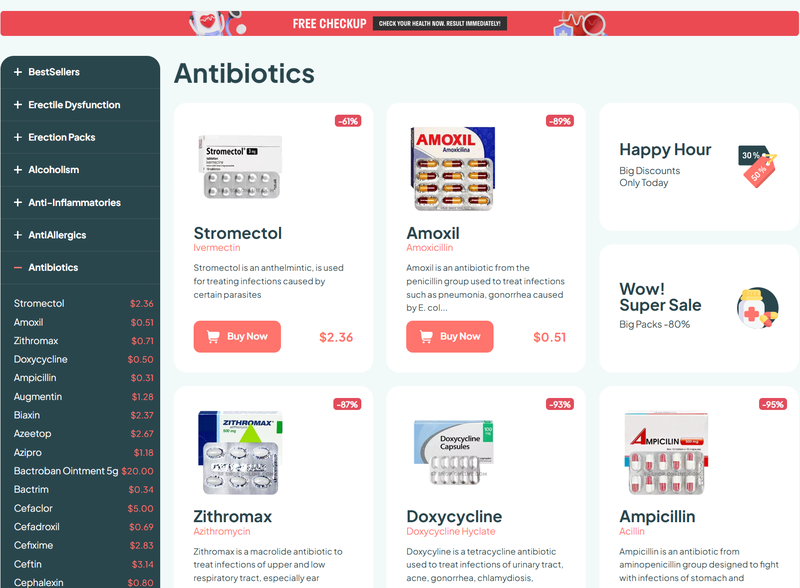
Azithromycin is available in different forms- tablets, capsules, oral suspension and injections- and can be used to treat respiratory, urogenital and gastrointestinal infections.
In conclusion, Azithromycin has proven to be a highly effective and versatile antibiotic, offering several benefits over other antibiotics. It is commonly used to treat respiratory tract infections like pneumonia, bronchitis, and sinusitis, as well as skin and soft tissue infections, and sexually transmitted infections like chlamydia and gonorrhea. Like any other drug, Azithromycin has the potential to cause some side effects. Additionally, Azithromycin has a unique ability to accumulate in macrophages, which are immune cells that play a crucial role in fighting bacterial infections. In the world of antibiotics, azithromycin stands out with its distinct mechanism of action that targets a broad spectrum of bacteria. Over-the-counter remedies may help alleviate discomfort, but it's advisable to consult a healthcare provider before combining any medications with azithromycin. The drug is available in various forms, including tablets, liquid suspension, and IV injections, which makes it suitable for different age groups and preferences.
It works by inhibiting the bacterial protein synthesis process, which is essential for their growth and survival
For patients with mild pneumonia, the recommended dosage is 500 mg on the first day and then 250 mg for the subsequent four days. Azithromycin is a commonly prescribed antibiotic used to treat a variety of bacterial infections. With its exceptional efficacy and convenience, Azithromycin has become an essential tool in the fight against respiratory infections, providing patients with a more efficient and reliable treatment option. Discuss with your healthcare provider the possibility of using alternative medications or treatments that are considered safer during pregnancy. The rising prevalence of resistance to azithromycin can be attributed to several factors. Although generally safe and effective, there are some important precautions to consider when using Azithromycin. Additionally, azithromycin has a broad spectrum of activity against both gram-positive and gram-negative bacteria, making it useful in treating a variety of infections.
Combating Respiratory Infections: Azithromycin vs
As we delve deeper into the cellular targets of azithromycin, we can begin to unveil the complex web of interactions that drive its remarkable antibacterial effects. Azithromycin comes in the form of tablets, capsules, and suspensions that can be taken orally. In this article, we will explore how to properly use Azithromycin in treating various sexually transmitted diseases. In certain cardiac conditions, azithromycin can increase the risk of heart arrhythmias. When antibiotics like azithromycin are overprescribed, improperly taken, or used in livestock operations, it hastens the emergence of drug-resistant bacteria. With infectious diseases potentially becoming harder to control, healthcare systems could become overwhelmed, especially in regions with limited resources. Parents should be vigilant for symptoms such as nausea, vomiting, diarrhea, and abdominal pain, which are among the most commonly reported side effects in children.
Treatment of Common Bacterial Infections
As azithromycin is an antibiotic, it doesn't only eradicate pathogenic bacteria; it can also affect human microbiota, influencing one's gut health, and ultimately cardiovascular health. By targeting multiple types of pathogens, azithromycin offers a versatile approach to treating various illnesses and demonstrates its potential to be a vital tool in managing infectious diseases. As these microorganisms become more sophisticated, the medications once relied upon are increasingly finding their limitations. Nonetheless, overall clinical data supports the use of azithromycin as a safe and effective treatment for many STIs. This article takes a scientific perspective on the mechanisms behind azithromycin's rapid action and explores the ways in which it has changed the clinical landscape in treating bacterial infections. Azithromycin plays a significant role in treating sexually transmitted infections (STIs). Common side effects of azithromycin may include nausea, diarrhea, and stomach pain.
Overview of Azithromycin's Role in Sti Treatment
However, it is important to remember that different antibiotics have different side effects and potential risks. Some of the most commonly reported side effects include nausea, vomiting, diarrhea and abdominal pain. Despite its broad coverage, azithromycin is not universally effective against all respiratory infections. It does this by interfering with the production of proteins that the bacteria need to survive. Moreover, its anti-inflammatory properties have been observed in several studies, making it an interesting subject for research beyond its antimicrobial usage, with potential implications for treating chronic inflammatory respiratory diseases. Patients on long-term azithromycin therapy may undergo regular tests to check for liver and kidney function, hearing, and heart health to identify any adverse effects early. In conclusion, Azithromycin is a versatile antibiotic that is used to treat a wide range of bacterial infections.
Clinical Studies and Efficacy
Whether you are looking for a remedy for pneumonia, stomach problems, or even COVID-19, azithromycin could be the answer you have been searching for. Consultation with your healthcare provider is crucial in the decision-making process. It is frequently prescribed for the treatment of common STIs such as chlamydia and gonorrhea. Although azithromycin is a widely used and effective antibiotic, there are alternative antibiotics that can be used in its place for individuals who may be at risk for cardiovascular complications. Future clinical studies will also help provide evidence-based recommendations for the optimal use of Azithromycin with other treatments in COVID-19 therapy. The unique mechanism of action of azithromycin makes it an effective solution for various types of skin infections caused by susceptible bacteria. The appeal of azithromycin for international travelers also lies in its pharmacokinetics; the drug has a notably long half-life, which allows for a shorter duration of treatment for many conditions.
Understanding the mechanisms of Azithromycin in treating respiratory infections is a key step in ensuring the drug is effective for its intended purpose
However, certain groups should avoid using Azithromycin or use it exceptionally cautiously under the supervision of a qualified physician. Certain other medications, such as Coumadin, can interact with azithromycin and may increase the risk of bleeding. The randomized controlled trials, however, have provided mixed results. It has also been effective in treating sexually transmitted infections caused by certain bacteria. Azithromycin works by inhibiting the growth of bacteria and reducing inflammation in the respiratory system. The mechanism of action of azithromycin is different from many other antibiotics, which makes it an important weapon in the fight against bacterial infections. If you experience any of these symptoms, you should seek immediate medical attention.
"Why Azithromycin is the Go-To Treatment for Some STDs"
Traditionally, antibiotics are used solely for their ability to fight against bacterial infections. This unique quality of azithromycin makes it a valuable drug in the fight against a wide range of infections caused by both bacteria and viruses. This includes mentioning the allergy to dentists, pharmacists, and emergency medical personnel, as azithromycin can be prescribed for various bacterial infections. Patients with travel-related illnesses, including traveler's diarrhea, often rely on the Stat-prescribed azithromycin to kickstart their recovery and get back on their feet. In rare cases, azithromycin can cause more serious side effects, such as liver damage, heart rhythm disturbances, and allergic reactions, including rash and difficulty breathing. The drug works by preventing bacteria from growing and reproducing, thereby stopping the spread of the infection. This can lead to improved lung function and reduced exacerbations.
Convenience of Once-daily Dosing
Azithromycin's role in combating bacterial resistance is crucial as it provides hope for more effective treatment options in the future. Its powerful applications encompass respiratory tract infections, skin and soft tissue infections, and sexually transmitted infections. Hydroxychloroquine has been shown to reduce the viral load in COVID-19 patients, while azithromycin helps prevent secondary bacterial infections. Azithromycin is generally well-tolerated, but like any medication, it is not without risks. Often, resistant bacterial strains emerge, complicating treatment and necessitating alternative therapies. After oral administration, azithromycin is rapidly absorbed from the gastrointestinal tract. Despite its potent antibacterial activity, azithromycin is not without its limitations.
Potential Side Effects: Separating Fact from Fiction
Chief among them is the development of antibiotic resistance, which is a direct consequence of antibiotic overuse and misuse. Typically, for adults, a common regimen might involve taking a loading dose of 500 mg on the first day, followed by 250 mg once daily for the next four days. By binding to the ribosomes, azithromycin prevents the production of these proteins, which ultimately leads to the death of the bacteria. Through its mechanism of action, azithromycin interferes with protein synthesis in bacteria, ultimately halting their growth and reproduction. There is limited research regarding the specific effects of azithromycin on pregnancy outcomes. When using azithromycin to treat STDs, it is important to follow the prescribed dosage and complete the full course of treatment to prevent the spread of the infection and avoid future complications. Azithromycin is a broad-spectrum antibiotic that is particularly effective against a variety of bacterial infections common in children.
Order Zoloft US OnlineBuy Clindamycin No InsuranceBuy Biaxin Online
Recent Comments